Key points to verify before planning your Niagara Falls trip
Planning a visit to one of the world's most famous waterfalls takes more than just picking a date. The sheer number of attractions, viewpoints, and tours can feel overwhelming, and without a clear plan, you risk spending more time in queues than enjoying the sights. A well-prepared itinerary helps you see the Horseshoe Falls, ride the Maid of the Mist, and explore the Niagara Parkway without rushing or missing something you really wanted to do.
Before you lock in your schedule, there are several practical factors worth checking. These aren't just about what to see, but about how the day flows, how the weather affects your choices, and what reservations you actually need. Below are the main points to consider so your trip runs smoothly from morning to evening.
Check the season and weather forecast
The time of year changes everything at Niagara Falls. Spring brings melting snow and higher water flow, which makes the falls more powerful but can also mean cooler temperatures and rain. Summer offers warm weather and longer daylight hours, but it also draws the largest crowds, especially in July and August. Autumn is popular for foliage and milder crowds, though some attractions close or shorten their hours as November approaches. Winter transforms the area into an icy landscape, with the falls partially freezing and the surrounding parks looking stark but beautiful. Many boat tours and outdoor attractions shut down during the colder months, so check what is open before you plan a winter visit.
Even within a season, the weather can shift quickly. A sunny morning can turn into an afternoon thunderstorm, especially near the lake. Pack layers and a rain jacket regardless of the forecast, and have a backup plan for indoor activities like the Journey Behind the Falls or the Skylon Tower observation deck. If you book a tour that depends on good weather, find out the cancellation or rescheduling policy before you pay.
Confirm attraction operating hours and seasons
Niagara Falls attractions do not all run year-round on the same schedule. The Maid of the Mist boat cruise typically operates from April to late October or early November, depending on ice conditions. Journey Behind the Falls, which lets you walk through tunnels behind the Horseshoe Falls, is open year-round but may close temporarily during icy conditions. The White Water Walk, a boardwalk along the rapids downstream, only runs from April to October. Even the Niagara Parkway, a scenic drive and path along the gorge, can have sections closed for maintenance or winter weather. Check the official websites for each attraction you plan to visit, and note that holiday hours may differ from regular ones.
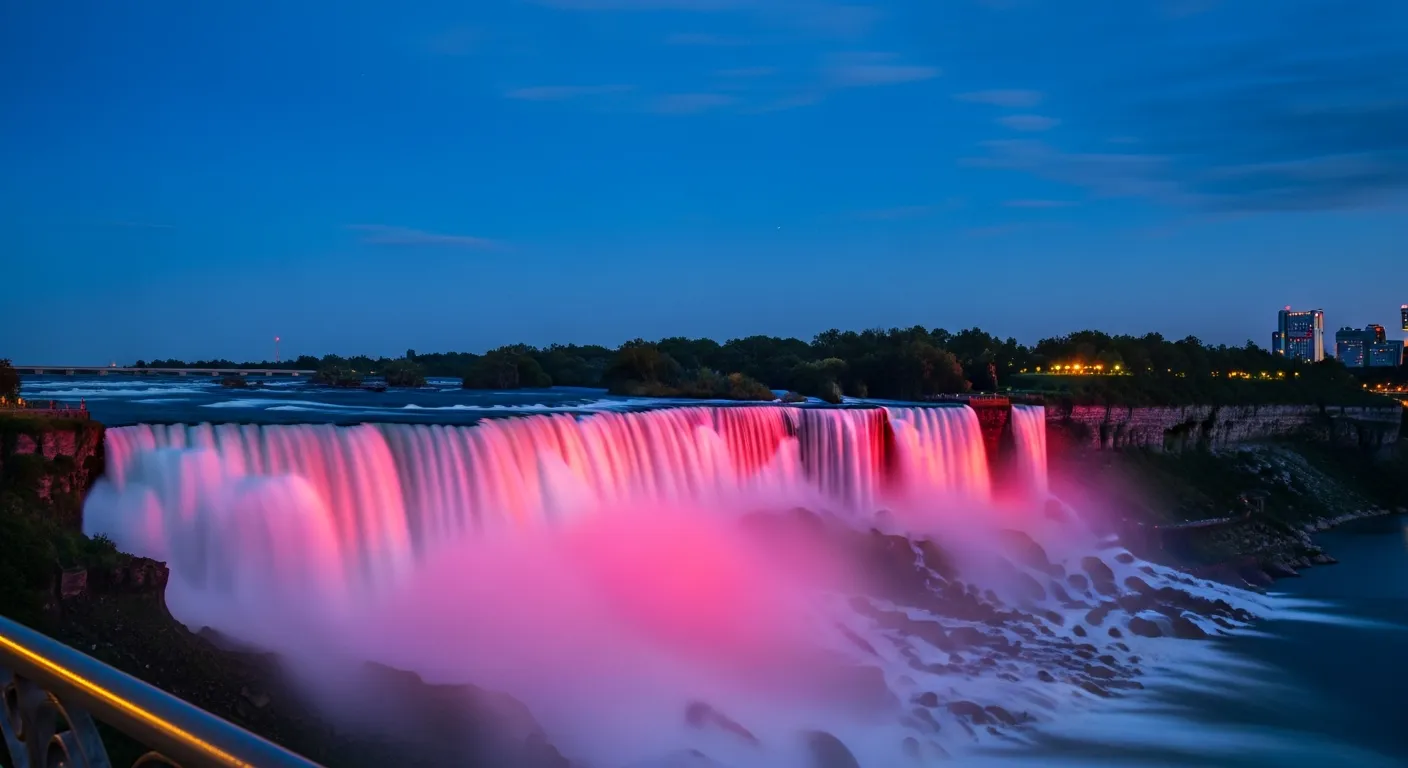
Also consider the time of day. Many attractions open between 9:00 and 10:00 AM, but closing times vary widely, with some shutting as early as 5:00 PM in the off-season. Evening viewing of the illuminated falls is free and available after dark, but the main attractions will be closed. If you want to see the falls lit up, plan your itinerary so you are not rushing to a closing attraction at the last minute.
Verify ticket types and reservation requirements
Not all tickets are the same. Some attractions offer timed entry, meaning you must reserve a specific time slot in advance. Others sell open-dated tickets that let you arrive whenever you want. For popular experiences like the Maid of the Mist, booking ahead is strongly recommended during peak season. Walk-up tickets often sell out by mid-morning, leaving you waiting until late afternoon or missing the ride entirely.
Combination passes can save money and time, but read the fine print. Some passes include entry to three or four attractions but exclude certain premium experiences or require you to visit them all on the same day. If you prefer a slower pace, a single-attraction ticket might work better. Check whether children under a certain age get in free, and whether you need a separate ticket for parking. The Table Rock Welcome Centre is a good place to buy tickets on the day, but its counters can have long lines. Buying online in advance often lets you skip the queue.
Plan your route and transportation
Getting to Niagara Falls is one thing; getting around once you are there is another. If you drive, parking near the main tourist area can be expensive and hard to find during busy weekends. Several garages and lots are available, but walking distances vary. Check where you park relative to your first attraction, and factor in a 10- to 15-minute walk. Some hotels offer free or discounted parking for guests, so ask when you book.
Public transit and shuttle services exist, but they may not run as frequently in the off-season or early in the morning. The Niagara Parks Commission operates a people mover during summer months, which stops at major viewpoints and attractions. If you rely on that, check the schedule and route map. For those staying on the Canadian side, walking along the Niagara Parkway is pleasant and connects many sights. On the American side, the options are more limited and you might need a taxi or rideshare. Consider whether you want to see both the Canadian and American sides of the falls, as crossing the border requires a passport and can add time, especially if there are long lines at the bridge.
One reliable approach is to build your day around a central activity, such as a morning boat tour, then spend the afternoon walking the parkway and visiting indoor attractions. A good Niagara Falls Day Trip itinerary usually starts early, takes advantage of timed tickets for the most popular experiences, and leaves free time for spontaneous stops at overlooks or a meal at a restaurant overlooking the falls. This kind of pacing helps you avoid the midday rush and lets you enjoy the views without feeling rushed.
Review dining and break options
Food choices vary widely around the falls. You can find fast food, casual cafes, and fine dining, but prices are higher near the main tourist zone. Reservations are a good idea for sit-down restaurants, especially for dinner with a view. Many hotels and attractions have on-site dining, but options can be limited if you are on a tight schedule. Consider packing snacks or a picnic if you plan to spend the entire day outdoors, as the park has designated picnic areas. Also note that some restaurants close earlier in the off-season, so check hours if you plan an evening meal.
If you are with children, factor in rest breaks and bathroom stops. The Table Rock Welcome Centre has washrooms and a food court, which is convenient during a busy day. Clifton Hill, a street lined with entertainment and dining, is a short walk from the falls and offers more variety, but it can get crowded. Plan your meal timing to avoid the peak lunch rush, usually between 12:00 and 1:30 PM, when lines are longest.
Check for special events or closures
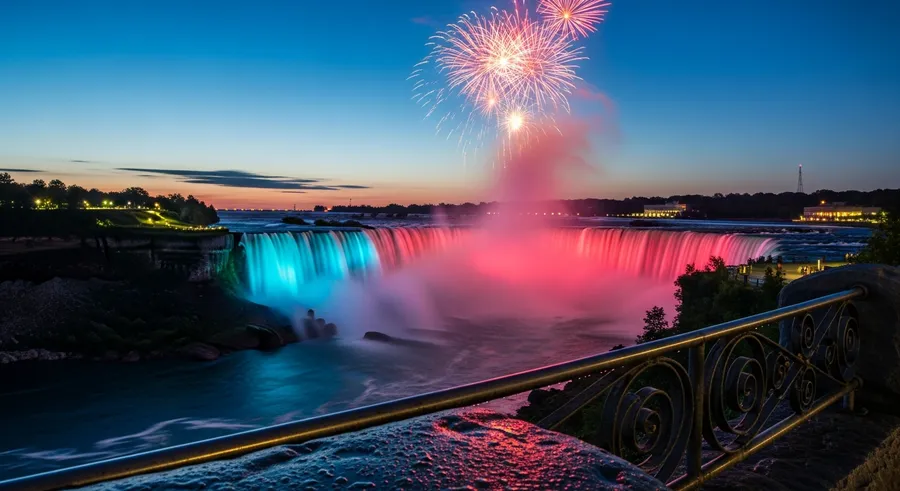
Niagara Falls hosts several annual events, such as the Winter Festival of Lights, fireworks displays, and concerts. These can enhance your visit but also affect crowd levels and traffic. If you are visiting during a holiday weekend or a major event, expect larger crowds and book everything well in advance. Conversely, some attractions close for maintenance or private events on certain days, so check the official calendar before you go. A quick look at the Niagara Parks website or the local tourism board can save you from showing up at a closed attraction.
Also check for construction or road closures. The Niagara Parkway sometimes undergoes repairs that can delay travel or block access to certain viewpoints. If you rely on a specific route, allow extra time or have an alternative in mind. A flexible itinerary with a few backup activities makes it easier to adapt if something is unexpectedly unavailable.
Prepare for crowds and timing
Crowds are heaviest from late June through August, on weekends, and during school holidays. If you can visit on a weekday, you will find shorter lines and a more relaxed atmosphere. The early morning, before 10:00 AM, is the quietest time at the most popular spots. By 11:00 AM, the Maid of the Mist and the Journey Behind the Falls can have wait times of an hour or more. Plan to visit the most popular attractions first, then move to less crowded ones later in the day. The White Water Walk, for example, tends to be less busy in the afternoon, so you can visit it after the morning rush.
If you are taking a Niagara Falls Day Trip from a nearby city like Toronto or Buffalo, factor in travel time and border crossing delays. A trip that starts at 8:00 AM might not get you to the falls until 10:00 AM or later, depending on traffic and wait times at the border. Build in a buffer of at least 30 minutes for unexpected delays, and do not schedule a timed activity immediately after arrival. Give yourself time to park, walk to the attraction, and find the entrance.
Review safety and accessibility
Niagara Falls is a natural wonder with inherent hazards. The paths near the falls can be slippery from mist, especially on the walkways closest to the Horseshoe Falls. Wear shoes with good grip and stay behind the barriers. Do not climb over railings or venture onto wet rocks. The mist can also fog up glasses and camera lenses, so bring a microfiber cloth. For those with mobility issues, most attractions are wheelchair accessible, but check specific routes. Journey Behind the Falls involves stairs and elevators, and the tunnels can be narrow in spots. The Niagara Parkway has paved paths suitable for strollers and wheelchairs, but some viewpoints require walking on uneven ground.

If you plan to visit the American side, note that the state park has different access points and parking arrangements. The Cave of the Winds tour, for example, provides a close-up experience similar to the Maid of the Mist but on the US side. Check the accessibility details for each attraction before you go, and if you need special assistance, contact the attraction in advance. Many offer reduced rates for guests with disabilities, but you may need to call to arrange it.
Final practical checks before you go
Before you finalize your itinerary, run through this short list: confirm the dates and hours of each attraction, buy tickets online for timed entries, check the weather forecast and pack accordingly, plan your parking or transit route, and make dining reservations if needed. Also verify whether you need a passport if crossing the border, and ensure your phone or camera is charged for photos. A printed or digital copy of your tickets and confirmation numbers can save time if there is a signal issue at the gate.
One last tip: leave some free time in your schedule. The best moments at Niagara Falls often come from unexpected views, a rainbow over the Horseshoe Falls, or a quiet bench along the parkway. If your itinerary is too rigid, you might miss those simple pleasures. A balanced plan that covers the must-see attractions while leaving room for spontaneity will give you a more enjoyable and memorable visit.